

Rather Listen? Listen right here or on Apple Podcasts, Spotify, or check your favorite podcast app.
Ever wondered why certain situations trigger intense emotional reactions in you? Or why you repeat patterns that don't serve you despite your best intentions? The answer often lies in your childhood experiences—moments that shaped your beliefs about yourself and the world. While emotional patterns can also stem from things like ancestral wounds, collective trauma, or deeper spiritual roots, today we'll focus specifically on healing the childhood experiences from your current life journey.
Inner child work creates a bridge to those wounded parts of yourself that formed during childhood. These wounds don't simply disappear as you grow. Instead, they become stored in your energy system, creating blockages in your chakras and influencing your adult behaviors. You've probably noticed old feelings showing up that don't make sense but feel powerful. That's your childhood still running the show.
This work goes beyond just talking about your past. When combined with Reiki and chakra healing, inner child work becomes a powerful approach that actually releases stuck emotions from your body and energy field. It's naturally somatic—focusing on feeling and healing rather than just intellectual understanding—addressing your entire energy system at once.
Understanding Inner Child Work

Your inner child represents the emotional self that formed during your early years. This aspect of you holds your innocence, creativity, and joy—but also your hurts, fears, and unmet needs. When childhood experiences are painful or traumatic, your inner child may become wounded, creating patterns that follow you into adulthood.
Inner child work helps you spot these patterns and gives you tools to heal deep emotions you might not even realize are controlling your life.
Common Misconceptions
Inner child work isn't about feeling sorry for yourself or reliving old pain. It's about understanding those feelings so they don't control you anymore.
It's not just for those with extreme childhood trauma. Everyday issues—like feeling unworthy or afraid of failure—also come from unmet needs in childhood. Nobody had a perfect childhood, that's just the nature of life.
This work isn't about staying stuck in the past. It's about bringing childhood wounds into the light so they lose power over your present.
The Purpose of Reconnecting With Your Inner Child
When you reconnect with your inner child, you're giving a voice to feelings you once ignored or buried. This brings clarity about why you react certain ways to stress, relationships, or fear.
You learn to meet your younger self with kindness, offering the comfort and safety you may have missed as a child. This calms old emotional wounds and stops them from triggering you in daily life.
These wounds might show up as:
- Fear of abandonment
- Difficulty trusting others
- People-pleasing behaviors
- Perfectionism
- Chronic anxiety
- Feeling unworthy or unlovable
- Trouble setting boundaries
- And more
But here's what many people miss: healing isn't just about processing pain—it's about reclaiming joy. When you shut out your inner child to avoid pain, you also locked away your natural curiosity, creativity, playfulness, and wonder. This work frees your inner child to be who they always were meant to be. You're not just healing wounds; you're reviving the carefree, imaginative, and joyful parts of yourself that got buried alongside the painful experiences.
This work asks you to be honest with yourself and treat your inner child with care. As you heal, you take back control, breaking patterns that hold you back and making choices from strength, not fear or pain.
What To Expect During Inner Child Work
Now, I have to be honest with you: this work isn't always sunshine and rainbows. You might actually feel worse before you feel better. Why? Because you've spent years actively avoiding these feelings. Parts of you worked overtime to keep this pain buried, and you felt in control when these emotions weren't surfacing.
When you finally allow yourself to feel them, those protective parts might freak out. They'll tell you that feeling these emotions means you've failed. That's not true. The feelings were always there, influencing you from the shadows. The difference now is that by giving them voice, those protective parts won’t have anything to protect anymore. That's where freedom begins.
You might also experience anger when you realize how long these patterns have been running your life unnecessarily. Allow yourself space to grieve what could have been different, but don't get stuck there. That's another trap. Remind yourself why you're doing this now—it doesn't serve you to dwell in regret.
It's funny how we sabotage ourselves from stepping into our best lives—even when the door is wide open right in front of us. Some people abandon this work because they don't want to feel that regret. Don't be one of them. Focus on what you want from this moment forward—which is freedom—and step away from dwelling on the past.
Why Unprocessed Childhood Emotions Linger
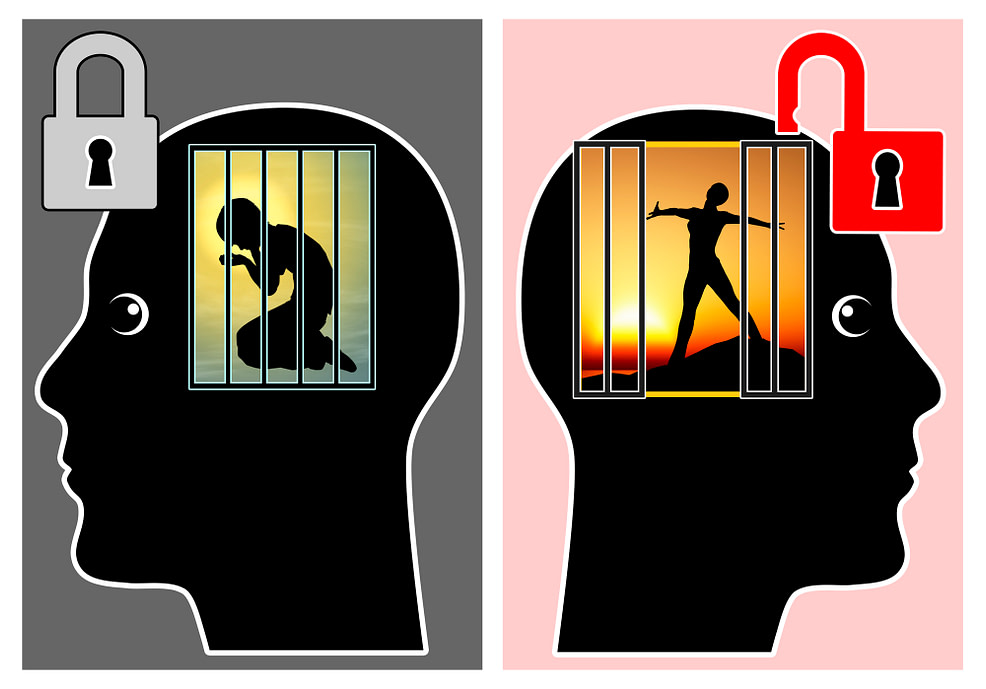
Your childhood emotions don't just disappear. They get tucked away in your mind and body and keep steering how you feel and act. Even when you try to move on, these emotions can quietly push you into old patterns, making life harder than it needs to be.
How Emotional Memories Are Stored
When you went through tough experiences as a kid, your brain stored those emotions deep inside your nervous system and body. These memories aren't always clear thoughts but feelings—like fear, sadness, or anger—that stay locked in your muscles, energy, or subconscious mind.
Your brain hides these feelings to protect you from constant pain. But that means you might react to situations without knowing why. These emotional memories get triggered by things that remind your brain of old hurts, even if they seem small or unrelated.
Signs of Unresolved Childhood Pain
You might think you left your childhood behind, but your body and mind tell a different story. Look for these clues:
- Feeling anxious or overly sensitive around certain people
- Reacting strongly to criticism or feeling abandoned easily
- Struggling with self-worth or constantly seeking approval
- Having physical tension or unexplained aches
How Early Beliefs Shape Your Adult Life
You formed beliefs about yourself before you even knew what self-esteem was. Ideas like "I'm not good enough," "I don't belong," or "I must always please others" often start in childhood.
These beliefs run your life without your awareness. They shape your choices, relationships, and how you see your worth. They might show up as overworking, avoiding risks, or letting others treat you poorly.
These signs show your inner child still needs attention and care. Until you recognize them, the pain keeps running your show.
You Are Not Your Patterns
It's important to understand that none of this is the truth of who you are. These emotions linger because you made them part of you to stay safe—you just need to see they're no longer needed.
When you label yourself and say things like "I'm anxious," "I'm sensitive," or "I lack confidence"—know there's a reason you feel this way. You're not broken. In fact, your body is responding EXACTLY as it should given what you've experienced.
Research shows clear connections between childhood experiences and adult patterns. The ACE (Adverse Childhood Experiences) score exists for a reason—the higher your score, the more likely certain patterns will emerge. Different attachment styles predict specific struggles as well. These patterns are simply how your brain learned to cope with overwhelming situations, even though they may not serve you now.
Finding Freedom Through Understanding
I had a breakthrough when I read about the effects of childhood gaslighting. Instead of seeing my symptoms as character flaws, I realized I had nearly all the expected responses to that experience.
My anxiety, difficulty making decisions, trouble trusting myself, and struggles with substances weren't personal failings—they were predictable outcomes. The good news is, we can change this. It starts with:
- Releasing our identity around these patterns
- Understanding why our body created them
- Offering gratitude for how they protected us
- Letting go and opening the door to who we truly are
The Cost Of Ignoring Your Inner Child
Ignoring your inner child keeps you trapped in old pain. You might feel anxious, sad, or angry out of nowhere. Your relationships can suffer because unmet childhood needs make you react in harmful ways.
This pain often shows up as addiction, self-sabotage, or chronic dissatisfaction. You might think fixing outside circumstances will heal you, but the real work is inside.
If you don't address this, the patterns repeat and often worsen. Your inner child needs you to step up—not to judge, but to listen and care deeply. The sooner you do, the sooner you get your life back on your terms.
How Reiki Enhances Inner Child Work

Reiki naturally complements inner child work by directly addressing your energy system. While you're doing the brave work of facing old wounds, Reiki gently releases deep emotions and dissolves energy blockages connected to childhood pain.
When applied specifically for inner child healing, Reiki:
- Creates a safe container for emotional release
- Dissolves energy blockages in your chakras
- Accesses your subconscious mind where memories are stored
- Brings compassionate awareness to wounded parts of yourself
- Facilitates forgiveness and integration
Why Reiki Works for Inner Child Healing
Reiki energy relaxes your body and calms your mind, making it easier to feel and release trapped emotions. The healing flow moves through your chakras, especially those connected to emotional development.
Your nervous system settles as energy begins moving freely. This allows you to gradually release fear, shame, or pain carried since childhood. Rather than forcing emotions out, Reiki creates a safe space where feelings surface naturally. This gentle approach breaks cycles of recurring emotions that keep you stuck.
Understanding Chakras in Inner Child Work
Your childhood shapes how your energy flows through your body, affecting your feelings and behaviors today. Chakras develop in stages linked to your growth as a child, and blocked chakras can keep old wounds alive, causing emotional patterns you might be stuck in.
Most of us are familiar with the seven main chakras and what they represent. What's less commonly discussed is how each chakra develops during specific periods in our lives.
Chakras develop in seven-year increments, with each energy center maturing during a specific phase of life. Early experiences affect all chakras, not just those developing during childhood. For example, if you weren't allowed to express emotions as a child, your throat chakra may remain blocked decades later. Similarly, your heart chakra might stay blocked if you didn't experience unconditional love or faced broken trust.
Understanding these developmental stages gives you a powerful framework for pinpointing exactly where and when wounds formed.
Root Chakra (Muladhara): Ages 0-7
Located at the base of your spine, this chakra governs your sense of safety and belonging. During these foundational years, you develop basic trust in the world.
Wounds here might come from:
- Family instability
- Neglect or abandonment
- Financial insecurity
- Physical safety threats
These create the feeling that the world isn't safe. When healed, you feel grounded and secure in your existence.
Sacral Chakra (Svadhisthana): Ages 7-14
Located in your lower abdomen, this chakra relates to emotions, creativity, and relationships. During these years, you learn to express yourself and relate to others.
Wounds here might form from:
- Emotional suppression
- Shaming around feelings or self-expression
- Unstable relationships
- Creativity being discouraged
These create beliefs that your emotions are too much. When healed, you experience healthy emotional flow and creativity.
Solar Plexus Chakra (Manipura): Ages 14-21
Located in your upper abdomen, this chakra governs personal power and identity. During these years, you develop your sense of self.
Wounds here might result from:
- Excessive criticism
- Controlling environments
- Disempowerment
- Identity suppression
These create feelings of never being good enough. When healed, you feel confident and clear about who you are.
Heart Chakra (Anahata): Ages 21-28
Located at the center of your chest, this chakra relates to love, compassion, and connection. During these years, you develop your capacity for deep relationships and empathy.
Wounds here might stem from:
- Early heartbreak or betrayal by caregivers
- Rejection from family or peers
- Receiving only conditional love ("I love you when you're good")
- Childhood grief or loss never properly processed
These create fear of vulnerability and intimacy that follows you into adulthood. When healed, you can give and receive love freely, with healthy boundaries.
Throat Chakra (Vishuddha): Ages 28-35
Located at your throat, this chakra governs communication and self-expression. During these years, you develop your authentic voice and ability to speak your truth.
Wounds might come from:
- Being told to be quiet
- Not being believed
- Punishment for speaking up
- Having your needs dismissed
These create difficulty expressing your truth. When healed, you communicate clearly and authentically.
Third Eye Chakra (Ajna): Ages 35-42
Located between your eyebrows, this chakra relates to intuition, wisdom, and perception. During these years, you develop your inner knowing and ability to trust yourself.
Wounds might originate from:
- Being told your perceptions are wrong
- Having your intuition dismissed
- Growing up in environments with rigid thinking
- Being punished for seeing truth
These create self-doubt and confusion. When healed, you trust your intuition and see clearly.
Crown Chakra (Sahasrara): Ages 42-49
Located at the top of the head, this chakra connects us to our spiritual nature and higher purpose. During these years, you develop your sense of meaning and connection to something greater.
Wounds might emerge from:
- Spiritual disconnection
- Religious trauma
- Existential uncertainty
- Separation from life purpose
These create feelings of meaninglessness. When healed, you feel connected to something greater than yourself while maintaining your individuality.
Inner Child Reiki Sessions: What to Expect
A typical Reiki session for inner child work lasts about an hour. You'll lie down fully clothed while the practitioner places hands on or near your body. For distance sessions, you'll simply relax at home while they send energy remotely.
The beauty of Reiki is that you don't need to "do" anything—just remain open to the experience. During your session, you might feel warmth, tingling, or deep relaxation. Many people experience emotions rising up or memories surfacing. Don't worry—this is healing in action.
After your session, you may feel lighter, calmer, or more connected to yourself. Sometimes you'll feel emotional as stored feelings release. This is completely normal and part of the healing process.
Visit my booking page for more detailed information about what to expect and how to prepare for a session.
Using the Distance Symbol in Inner Child Work
The Reiki distance symbol is particularly powerful for inner child work. This symbol allows practitioners to transcend time and space, sending healing energy to past versions of yourself.
With this technique, you can:
- Connect with yourself at specific ages when trauma occurred
- Send healing to pivotal moments in your childhood
- Rewrite limiting beliefs formed during those times
- Provide comfort and support to your younger self
This approach works for preventative healing too. You can send energy to support chakras that are currently in their developmental phase or prepare chakras for upcoming developmental stages.
Remember, healing unfolds over time. One session won't resolve everything, but Reiki becomes a powerful ally in your inner child healing journey. Each session builds on the previous one, creating lasting transformation as you reclaim your authentic self.
A Complete Inner Child Reiki Healing Session

This comprehensive approach integrates chakra healing with inner child work to release blocked energy and heal childhood wounds. Important: You must be at least a Reiki Level 2 practitioner attuned to the distance symbol (Hon Sha Ze Sho Nen) to perform the Reiki portions of this self-healing session.
Preparation
- Create a quiet, comfortable space
- Light a candle or play soft music if desired
- Take several deep breaths to center yourself
- Set a clear intention for your healing session
Opening the Session
- Activate Reiki energy through your preferred method
- Scan your body to identify which chakras need attention
- Note any sensations, emotions, or memories that arise
Chakra-Specific Healing Techniques
Choose one or more chakras to work with based on your scan:
Root Chakra Healing (0-7 years)
Signs of imbalance:
- Constant anxiety
- Financial worries despite stability
- Fear of change
- Trust issues
- Feeling unsupported
Reiki technique:
- Place your hands on your feet or base of spine
- Visualize the Hon Sha Ze Sho Nen symbol
- Set the intention to connect with your grounded, secure self
- Imagine sending warm, red light to both your root chakra and your childhood self
- Affirm: "You are safe. You are secure. You belong here."
- Allow any childhood memories about safety or security to surface without judgment
- Draw the Cho Ku Rei symbol on the root chakra to ground and stabilize the energy
Complementary practices:
- Walking barefoot in nature
- Using grounding crystals like black tourmaline
- Creating stability in your daily routines
Sacral Chakra Healing (7-14 years)
Signs of imbalance:
- Emotional numbness or overwhelming emotions
- Creative blocks
- Relationship difficulties
- Shame around pleasure or expression
Reiki technique:
- Place hands on your lower abdomen
- Visualize the Hon Sha Ze Sho Nen symbol
- Set the intention to connect with your emotionally fluid, creative self
- Imagine sending warm, orange light to both your sacral center and your childhood self
- Affirm: "It's safe to feel. My emotions are valid. I express myself freely."
- Allow any childhood memories about emotional expression, creativity, or how your feelings were received to surface without judgment
- Visualize Reiki energy flowing through any emotional blocks
Complementary practices:
- Expressive arts (dancing, painting, writing)
- Taking warm baths with orange essential oils
- Journaling about your emotions
Solar Plexus Chakra Healing (14-21 years)
Signs of imbalance:
- Low self-esteem
- Controlling behaviors or being easily controlled
- Difficulty making decisions
- Seeking constant approval
Reiki technique:
- Place hands on your upper abdomen
- Visualize the Hon Sha Ze Sho Nen symbol
- Set the intention to connect with your empowered, confident self
- Imagine sending warm, yellow light to both your solar plexus and your childhood self
- Affirm: "I am powerful. I define who I am. My voice matters."
- Allow any childhood memories about feeling powerless, criticized, or when your confidence was undermined to surface without judgment
- Visualize your personal power returning to you
Complementary practices:
- Setting small, achievable goals
- Standing in power poses for a few minutes daily
- Practicing saying "no" when needed
Heart Chakra Healing (21-28 years)
Signs of imbalance:
- Difficulty giving or receiving love
- Fear of intimacy or rejection
- Holding grudges
- People-pleasing tendencies
Reiki technique:
- Place hands on your chest
- Visualize the Hon Sha Ze Sho Nen symbol
- Set the intention to connect with your loving, compassionate self
- Imagine sending warm, green light to both your heart center and your childhood self
- Affirm: "I am worthy of love. I open my heart safely. I forgive myself and others."
- Allow any childhood memories about love, rejection, or how affection was expressed in your family to surface without judgment
- Visualize Reiki energy healing any wounds of the heart
Complementary practices:
- Self-care rituals that nurture you
- Heart-opening yoga poses
- Practicing forgiveness (of self and others)
Throat Chakra Healing (28-35 years)
Signs of imbalance:
- Difficulty expressing your truth
- Frequently interrupted or ignored
- Fear of speaking up
- Chronic throat issues
Reiki technique:
- Place hands on your throat
- Visualize the Hon Sha Ze Sho Nen symbol
- Set the intention to connect with your authentic, expressive self
- Imagine sending warm, blue light to both your throat center and your childhood self
- Affirm: "I speak my truth with confidence. My voice matters. I express myself clearly."
- Allow any childhood memories about being silenced, not being listened to, or when you were afraid to speak up to surface without judgment
- Visualize Reiki energy dissolving blocks to self-expression
Complementary practices:
- Singing or humming
- Writing in a journal
- Speaking affirmations aloud
Third Eye Chakra Healing (35-42 years)
Signs of imbalance:
- Doubting your intuition
- Mental fog or confusion
- Difficulty seeing the bigger picture
- Overthinking everything
Reiki technique:
- Place hands on your forehead
- Visualize the Hon Sha Ze Sho Nen symbol
- Set the intention to connect with your intuitive, clear-seeing self
- Imagine sending warm, indigo light to both your third eye center and your childhood self
- Affirm: "I trust my intuition. I see clearly. My perception is valid."
- Allow any childhood memories about having your perceptions dismissed, being confused by mixed messages, or times when you were made to doubt what you knew to be true to surface without judgment
- Visualize Reiki energy clearing mental blocks
Complementary practices:
- Meditation
- Keeping a dream journal
- Spending time in nature
Crown Chakra Healing (42-49 years)
Signs of imbalance:
- Feeling disconnected from purpose
- Spiritual emptiness
- Rigid thinking
- Difficulty accepting change
Reiki technique:
- Place hands slightly above your head
- Visualize the Hon Sha Ze Sho Nen symbol
- Set the intention to connect with your spiritually aware, purposeful self
- Imagine sending warm, violet light to both your crown center and your childhood self
- Affirm: "I am connected to something greater. I am open to divine guidance. I trust my path."
- Allow any childhood memories about spiritual confusion, being disconnected from your sense of purpose, or times when your deeper questions were dismissed to surface without judgment
- Visualize Reiki energy opening your connection to universal wisdom
Complementary practices:
- Meditation
- Spending time in silence
- Exploring spiritual practices that resonate with you
Deepening the Inner Child Connection
During your chakra work, try these additional techniques:
- Ask your inner child: "What do you need? What would help you heal?"
- Listen without judgment to whatever arises
- Send Reiki energy infused with the specific qualities your inner child needs (safety, love, validation, etc.)
- If specific memories surface, send Reiki directly to those moments
Integration
- Thank your inner child for their willingness to heal
- Promise to stay connected and continue supporting them
- Slowly bring awareness back to your adult self
- Ground by placing hands on your thighs or the floor
- Journal about your experience
Future Self Healing (Optional)
- After working with past aspects, activate Reiki again
- Visualize the Hon Sha Ze Sho Nen symbol
- Set the intention to connect with your future self who has fully healed this chakra
- Receive guidance and energy from this healed version of yourself
- Note any insights or messages that come through
Step-By-Step Guide To Inner Child Work

Even without Reiki attunement, you can work effectively with your inner child and chakras. The key is noticing when uncomfortable patterns arise naturally in daily life, then pausing to explore their origins rather than forcing the process.
Creating Emotional Safety
Before diving into deeper work, establish internal safety for facing painful memories. This means:
- Listening to yourself without judgment
- Offering kindness instead of blame to hurt parts of yourself
- Creating space for emotions you've pushed away for years
When you notice old patterns or beliefs surfacing:
- Find a quiet space and close your eyes
- Ask what your inner child needs right now
- Get curious about triggering beliefs: "Where did this start? Is it still true?"
- Use gentle affirmations like "You are safe" or "I'm here for you"
- Move your body through gentle stretching or yoga to release stuck energy
- Ground yourself by feeling your feet on the floor, reminding yourself you're safe as an adult
This safety allows exploration without being overwhelmed, reducing the unconscious control these emotions have over your life.
Connection Techniques
These simple practices help establish a dialogue with your younger self:
- Visualization: Picture yourself as a child and imagine a conversation. Talk to your younger self silently or out loud. Ask questions like, "What do you feel?" or "What do you need from me?" Listen without judging the responses.
- Safe Space Creation: Visualize your inner child in a comforting environment. Offer imagined hugs, kindness, or protection to initiate healing.
- Chakra Awareness: Even without formal energy training, you can place your hands over the chakra that feels imbalanced. Visualize the corresponding colored light (red for root, orange for sacral, etc.) flowing to this area and to your inner child. Your natural healing intention is powerful on its own.
Revealing Journaling Prompts
Writing creates a powerful bridge to your inner child. Try these prompts:
- What childhood memory still makes me feel stuck?
- What did I wish someone told me as a kid?
- If I could speak to my younger self today, what would I say?
- What emotions am I avoiding about my past?
Write freely without editing. The raw honesty breaks internal silence and gives voice to long-held feelings. As you express these old emotions, confusion may initially increase—this is your inner self questioning why it carried these burdens for so long and recognizing they were never yours to bear.
Review your entries after a few days to identify patterns or recurring feelings. These insights reveal what needs attention and which chakras to focus on.
When To Seek Professional Support
You don't have to do this alone. While self-guided inner child work can be transformative, sometimes we need additional support. Consider working with a therapist, coach, or Reiki practitioner if:
- You've experienced severe trauma or abuse
- You find yourself overwhelmed by emotions that arise
- You're struggling with persistent anxiety, depression, or other mental health concerns
- You feel stuck despite your best efforts
- Your inner child work is bringing up memories that feel too difficult to process alone
A trauma-informed therapist can provide a safe container for deeper healing work. Many modalities like EMDR, Somatic Experiencing, or Internal Family Systems therapy work beautifully alongside energy healing approaches like Reiki.
Remember that seeking help is a sign of strength, not weakness. It shows your commitment to healing and your wisdom in recognizing when additional support would benefit your journey.
Breaking Generational Cycles
An awesome side effect of inner child healing is its ripple effect through generations. You may be unconsciously repeating family patterns—your grandmother struggled with expressing emotions, your mother learned to suppress feelings, and now you do the same. These patterns might include perfectionism, people-pleasing, or anger issues running through your family line.
When you heal your inner child wounds, you:
- Stop passing these patterns to your children
- Create healthier ways of responding to life
- Transform your family's energetic legacy
- Heal not only yourself but also your ancestors
This work becomes more than personal healing—it's ancestral healing that creates a new legacy. For Reiki practitioners, the distance symbol is particularly powerful here, allowing you to send healing to ancestors who experienced similar wounds, creating a ripple effect through time.
The Ongoing Journey of Inner Child Healing

Inner child healing isn't a one-time event but a continuous journey of self-discovery and integration. As you heal one layer, you may discover others beneath it. This is normal and part of the process.
The good news is that with each layer you heal, you gain more freedom, joy, and authentic connection with yourself and others. Your energy flows more freely, your chakras become more balanced, and you find yourself making choices from a place of present awareness rather than past conditioning.
Maintaining Your Inner Child Connection
Once you've established a relationship with your inner child, nurture it regularly:
- Schedule check-ins: Set aside a few minutes each week to connect with your inner child through meditation, journaling, or visualization.
- Play and creativity: Make time for activities that bring you joy without purpose or productivity goals. Paint, dance, play in nature, or do whatever lights you up.
- Body awareness: Notice when your body tenses or your emotions flare—these are often signals from your inner child. Pause and ask what they need.
- Self-parenting: Continue to provide yourself with the care, boundaries, and nurturing you might have missed. This could mean setting healthy limits, speaking kindly to yourself, or prioritizing rest.
- Chakra maintenance: Regularly check in with your chakras, especially those that correspond to those times where you experienced difficulty. Send Reiki energy or simply place your hands there with loving intention.
- Celebrate progress: Acknowledge and celebrate your healing journey. Notice how patterns shift, relationships improve, and your energy changes as you integrate your inner child's needs.
Final Thoughts
The beauty of combining Reiki energy healing with inner child work is that it addresses healing on multiple levels—energetic, emotional, mental, and spiritual. When you send Reiki to your inner child across time and space, you're literally rewiring your energy system and creating new possibilities for your present and future.
Remember that this work unfolds in its own time. Be patient and gentle with yourself. Each step you take to heal your inner child is a gift not only to yourself but to everyone whose life you touch.
Your inner child has been waiting for you to turn toward them with love and understanding. When you do, you'll discover that the very wounds that caused you pain can transform into your greatest sources of wisdom, compassion, and strength.
I wish you well on your healing journey. May you find the peace, joy, and authentic self-expression that is your birthright.